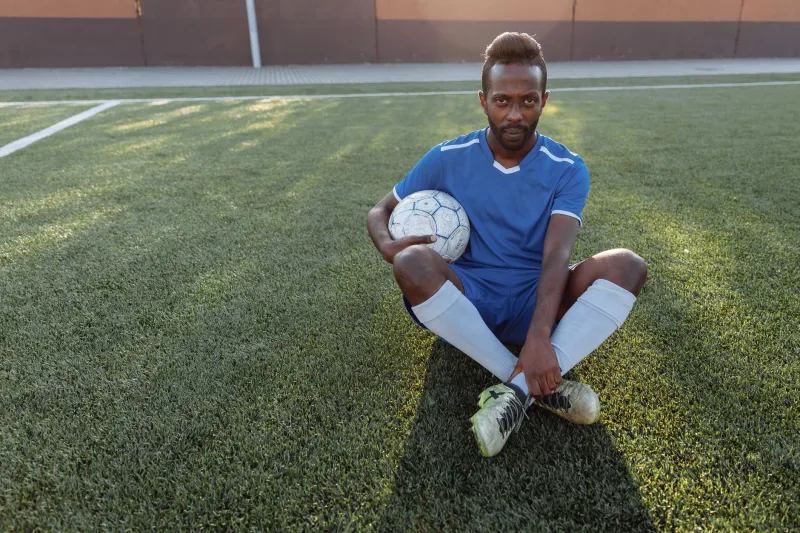
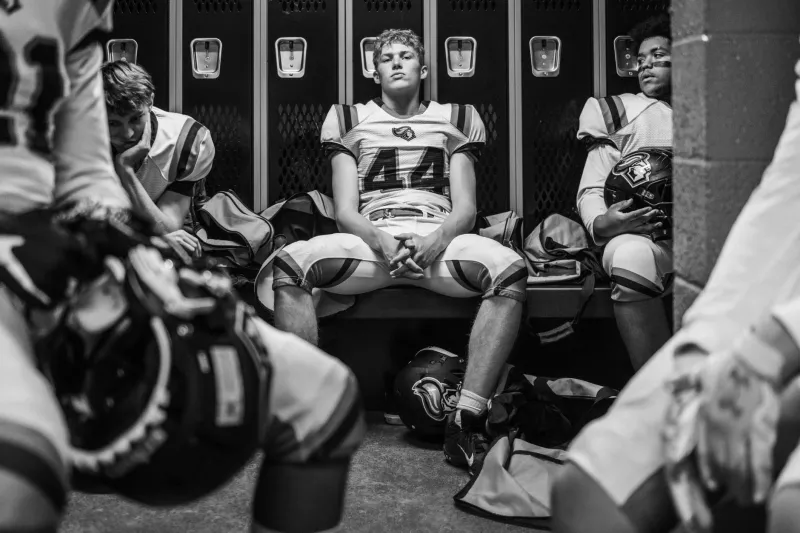
You Finally Made It — So Why Does It Feel Like Nothing?
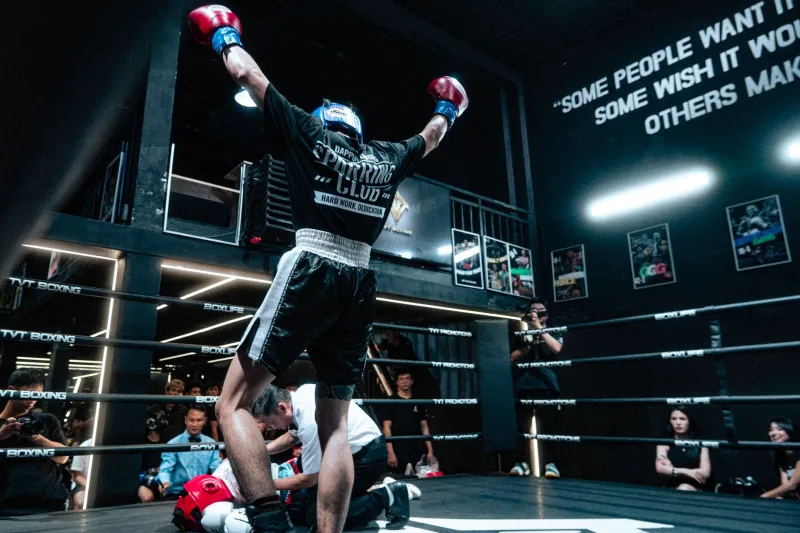
You crossed the finish line. You hit the number. You won the fight, earned the medal, broke the record you'd been chasing for two years straight. And then — nothing. Maybe a flicker of something, a few seconds of relief, a smile for the camera. But underneath all of it? A weird, hollow quiet that nobody warned you about.
Welcome to post-achievement emptiness. It's one of the most disorienting experiences in sports, and it almost never gets talked about because, honestly, who wants to admit that winning felt like a letdown?
You're not broken. You're not ungrateful. And you're definitely not alone.
Your Brain Was Promised a Parade That Never Came
Here's the thing about human psychology — we're wired to pursue, not to arrive. The dopamine hit that keeps you grinding through brutal training sessions, early mornings, and missed social plans? That's your brain rewarding the chase. The anticipation. The forward momentum.
When you finally close the gap between where you are and where you wanted to be, that reward system doesn't throw a party. It kind of just... shrugs. Neuroscientists call this the "arrival fallacy" — the gap between how good we expect an achievement to feel and how it actually feels once we're holding it in our hands.
Athletes are especially vulnerable to this because the goal is often so singular, so consuming. Every workout, every meal choice, every sacrifice gets mentally attached to one outcome. When that outcome arrives, there's suddenly no more "because" powering your daily routine. The engine loses its fuel source overnight.
The Silence After the Scoreboard
There's a particular kind of quiet that sets in after a major athletic milestone. Your teammates scatter back to their lives. The social media buzz fades in about 48 hours. Your coach moves on to the next training block. And you're left standing in the middle of your regular Tuesday, wondering why the air doesn't feel any different.
For some athletes, this tips into something heavier — low motivation, irritability, a creeping sense of "what's the point." Olympic athletes have spoken openly about post-Games depression. College athletes describe a strange grief after their final season ends. Even amateur competitors who hit a personal record at a local 5K sometimes spend the following weeks feeling oddly flat.
The achievement was real. The work was real. The emptiness is also real — and it deserves to be taken seriously instead of pushed down with the next training goal.
Why We Reach for the Next Goal Too Fast
The most common response to post-achievement emptiness is to immediately set a bigger goal. Sign up for the next race before you've even gotten your finisher photo back. Start planning the next season before this one has had a chance to breathe.
Sometimes that works. But a lot of the time, it's avoidance dressed up as ambition. You're not building on your momentum — you're running from the discomfort of having nothing left to chase. And when you stack goals on top of unprocessed emotional experiences, you end up in a cycle where no finish line ever actually satisfies you. You become someone who's always training for something but never actually celebrating anything.
That's a tough way to live, and it tends to catch up with athletes eventually — often as burnout, overtraining, or a sudden and complete loss of love for the sport they once couldn't imagine their life without.
What to Do Instead
Sit in it — briefly but intentionally. Give yourself permission to feel the flatness without immediately trying to fix it. A few days of low motivation after a major goal isn't a crisis. It's a natural transition. Acknowledge it out loud if that helps. Tell a training partner, a coach, or a therapist. The act of naming it takes away some of its power.
Separate the outcome from the identity. One of the sneaky reasons winning can feel hollow is that we've unconsciously tied our entire self-worth to a specific result. When the result comes and goes, so does the sense of self. Start asking yourself: Who am I as an athlete outside of this achievement? Your values, your work ethic, the way you show up on hard days — those don't expire when the competition ends.
Reflect before you reload. Before you rush into the next training block, spend some real time with what you just accomplished. What did you learn? What changed in you during the process? What are you genuinely proud of that has nothing to do with the final number or placement? Writing this down isn't soft — it's smart. It anchors the experience in something more durable than a trophy.
Reconnect with process-based motivation. Think back to why you started. Not the goal — the feeling of moving, competing, improving. If you can find a few things about your sport that you genuinely enjoy independent of outcomes, those become the foundation for sustainable motivation that doesn't collapse every time a goal gets checked off.
Build a transition ritual. Elite coaches talk about the importance of closing out a training cycle with intention before opening the next one. This might look like a rest week where you do something completely different physically, a debrief conversation with your coach, or even just a low-key celebration with people who supported you. Transitions matter. Don't skip them.
The Win Was Real. Now Build Something That Lasts.
Post-achievement emptiness doesn't mean the goal wasn't worth it. It doesn't mean you're wired wrong or that competitive sports aren't for you. It means you're human, and your brain is doing exactly what brains do after a major reward cycle closes.
The athletes who navigate this best aren't the ones who feel the most euphoria at the finish line — they're the ones who've built a relationship with their sport that goes deeper than any single result. They've learned to find meaning in the daily grind, in the relationships forged through shared suffering, in the version of themselves that shows up when everything is on the line.
The medal is real. The record is real. And so is the next chapter — if you take the time to actually start it instead of just stumbling into it.
Fight Like Ana isn't just about the moment you break through. It's about who you become in every moment between the breakthroughs. That's where the real work — and the real reward — actually lives.