Where Did Everybody Go? The Brutal Truth About Fighting Back Alone
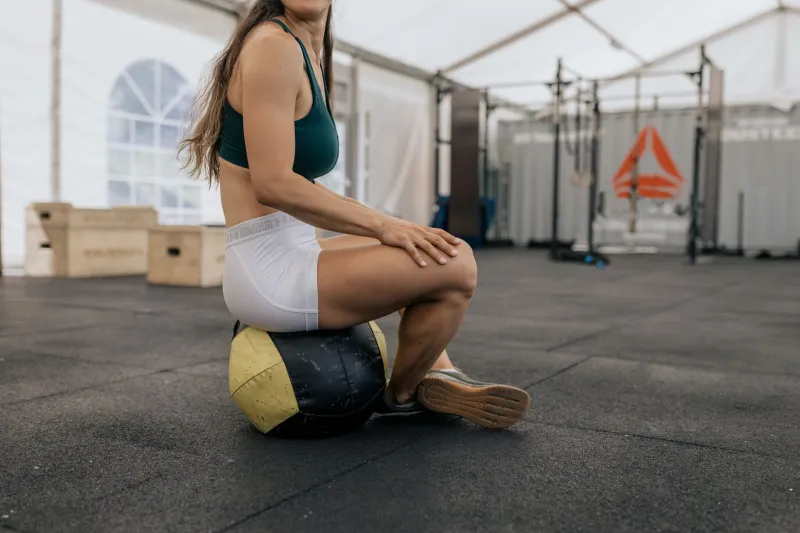
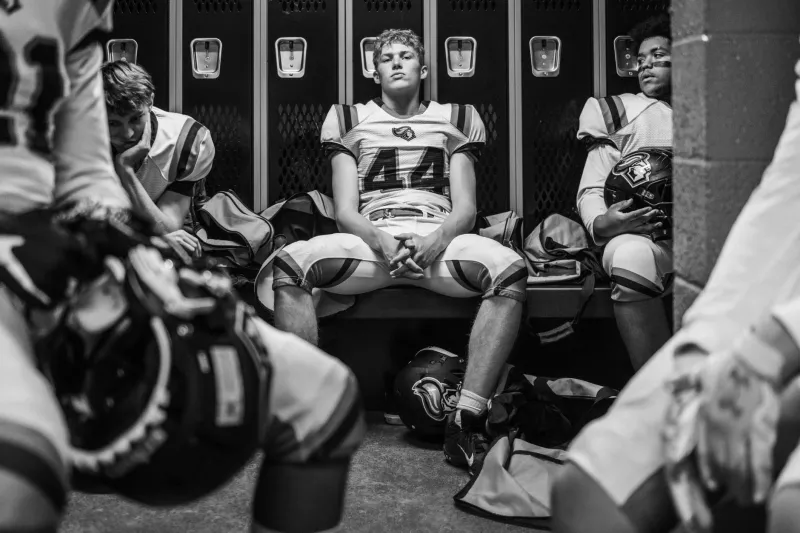
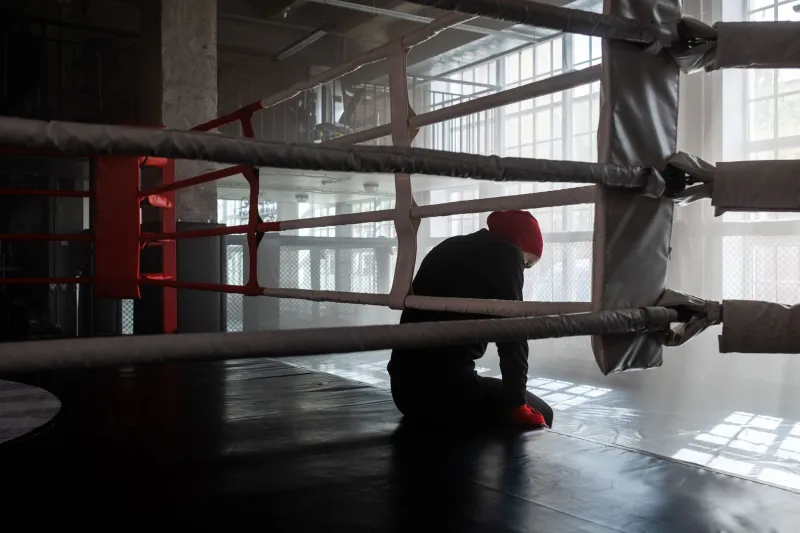
There's a specific kind of silence that follows a serious injury or a major setback. It's not peaceful. It's the silence of unanswered texts, of training partners who stop checking in, of teammates who slowly drift back to their own routines while you're still stuck in a rehab room wondering what happened to your people.
If you've ever been through a comeback — a real one, the kind that takes months and grinds your patience to dust — you probably know this feeling. The support that felt solid when things were going well has a funny way of evaporating right when you're fighting hardest to get back.
It's not just in your head. It's real. And it's worth talking about honestly.
Why People Pull Back (It's Not Always Malicious)
Here's something that might be hard to hear but will probably also feel like relief: most of the people who disappear during your comeback aren't doing it out of cruelty. They're doing it out of discomfort.
Human beings are wired to celebrate wins. We know how to show up with congratulations, with high-fives, with enthusiasm. What we're a lot worse at is sitting with someone in the middle of the hard, uncertain, unglamorous work of rebuilding. Injury and setbacks force the people around you to confront their own fears — about vulnerability, about failure, about bodies breaking down. A lot of people don't have the emotional tools to handle that. So they drift.
Then there's the awkwardness factor. Friends and teammates often don't know what to say. They don't want to ask too many questions about your recovery timeline because they're afraid of saying the wrong thing. So they say nothing. And nothing, over time, starts to feel a lot like abandonment.
Understanding this doesn't make it hurt less. But it does help you stop taking it personally in ways that drain your energy — energy you desperately need for the comeback itself.
The Fair-Weather Ally vs. The Real One
A setback is basically a filter. It's uncomfortable, but it's also clarifying. The people who stay — who actually show up, who ask the boring questions about your physical therapy progress, who don't disappear the second the highlight reel goes dark — those are your real ones.
Fair-weather allies are drawn to your success. They love being in your orbit when you're performing, when you're winning, when you're the version of yourself that makes them feel good about their own choices. The moment that version of you goes offline, they find somewhere else to be.
True believers are drawn to you. They're not here for the performance. They're here for the person doing the performing. You'll recognize them because they're still texting in week six of your recovery when everyone else has gone quiet. They're the ones who say "I don't know what you need, but I'm here — tell me" instead of waiting for you to make it easy for them.
Pay attention during the comeback. It'll tell you everything you need to know about who's actually in your corner.
The Isolation Spiral and How It Derails Comebacks
Here's where it gets dangerous. When athletes feel their support system shrinking, they often respond by pulling back even further themselves. Pride kicks in. Nobody wants to seem needy. Nobody wants to be the person asking for help. So you go quiet, you train alone, and you convince yourself that being self-sufficient is the same thing as being strong.
But isolation during a comeback is one of the sneakiest performance killers out there. Research consistently shows that social support is a major factor in both injury recovery speed and psychological resilience. When you're grinding through the low moments — and there will be low moments — having people who believe in your return isn't a luxury. It's part of the training.
The mental load of a comeback is enormous. You're managing physical pain, identity disruption, fear about your future performance, and often a complete upheaval of your daily routine. Carrying all of that alone doesn't make you tougher. It just makes the road longer.
Building a Circle That Actually Holds
So what do you do when the old support network has thinned out? You build a new one — intentionally, strategically, without apology.
Start with honesty. Tell the people still in your life what you actually need. Not the vague "I'm fine" answer, but the real one. "I need someone to check in on me twice a week." "I need a training partner who won't treat me like I'm made of glass." Most people want to help — they just don't know how. Give them a job.
Seek out people who've been through it. There's no substitute for talking to someone who's already walked the road you're on. Find athletes who've come back from serious setbacks — in your sport, in your gym, online. The comeback community is bigger than you think, and those people speak your language in a way that well-meaning friends sometimes can't.
Be deliberate about your professional support team. Your physical therapist, your trainer, your sports psychologist — these aren't just service providers. They're part of your comeback infrastructure. Invest in those relationships. Be honest with them about the mental side of what you're going through, not just the physical metrics.
Prune quietly, without bitterness. You don't have to make a dramatic announcement about who showed up for you and who didn't. Just start putting your energy toward the people who are actually present. Let the fair-weather allies drift without fighting it. Your focus is the comeback, not the scorekeeping.
The Comeback Reveals the Real Team
Athletes who've fought their way back from serious setbacks often say the same thing when they look back on the experience: they're grateful for who it showed them. The people still standing at the end of that process — the ones who stayed through the boring, unglamorous, uncertain middle — those are the people worth building your whole athletic life around.
The loneliness of the comeback is real. It's one of the parts of athletic life that doesn't get talked about enough, and it catches a lot of fighters, runners, lifters, and competitors completely off guard. But it's also temporary. And the circle you build on the other side of it? That one's built to last.
Fight through the quiet. Your real people are still out there — and some of them are waiting for you to give them a reason to show up.