Your Brain Is Already Losing the Game You Haven't Played Yet
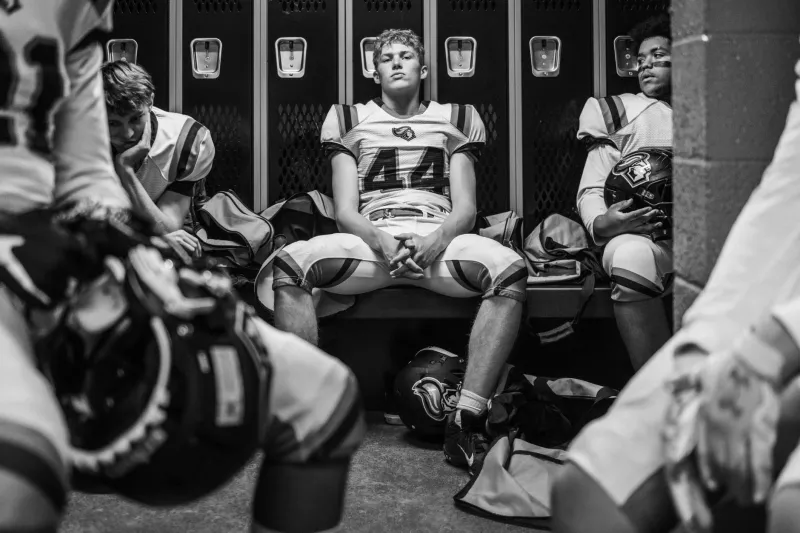
You've put in the work. The early mornings, the extra reps, the sessions you powered through when every part of you wanted to quit. By any objective measure, you're ready.
So why does it feel like you're already behind?
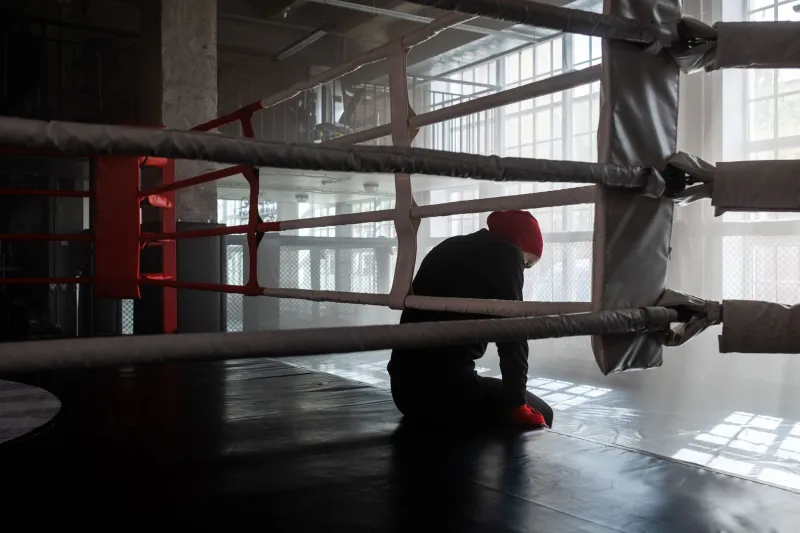
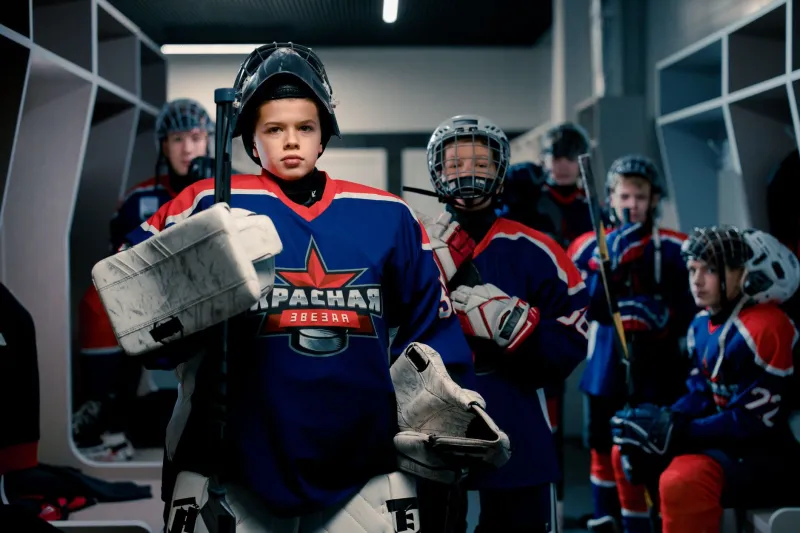
That creeping feeling — the one that shows up days before competition and starts whispering things like you're not good enough or something's going to go wrong — isn't just nerves. It's something more specific, and honestly, more dangerous. It's your brain constructing a defeat narrative before a single point has been scored, a single round has been fought, or a single second has been clocked.
And here's the kicker: if you don't catch it, your body will follow that script like it's gospel.
The Invisible Scoreboard Nobody Talks About
Every athlete carries one. You can't see it. Nobody else can see it. But it's running constantly in the background, tallying wins and losses based entirely on what you believe about yourself rather than what you've actually done.
Sports psychologists call the underlying mechanism self-fulfilling prophecy, but in the neuroscience world, it gets even more specific. When your brain repeatedly rehearses a negative outcome — even unconsciously — it strengthens the neural pathways associated with that outcome. Your nervous system doesn't know the difference between a thought and a lived experience. It just responds to the signal.
So when you spend the week before a meet telling yourself you always choke under pressure, your brain files that away as fact. By game day, it's not a fear anymore. It's a plan.
This isn't abstract. Research on pre-competition cognition consistently shows that athletes who enter events with negative internal narratives perform below their training benchmarks significantly more often than those who enter with neutral or positive ones. The gap between what you're capable of in practice and what you deliver in competition? A big chunk of that gap lives right here.
How the Script Gets Written
Nobody chooses to doubt themselves. That's what makes this so tricky.
The negative pre-competition narrative usually builds quietly, assembled from a handful of real experiences stitched together with fear. Maybe you had one bad performance at a crucial moment two years ago. Maybe someone — a coach, a rival, a well-meaning family member — said something that lodged itself in your confidence. Maybe you've been comparing your training footage to athletes with five more years of experience and wondering why you don't look like them yet.
None of those things define your ceiling. But your brain, which is wired to protect you from pain, starts treating them like evidence. It builds a case. And before you know it, you're walking into competition carrying a verdict that was handed down before the opening whistle.
The script usually sounds something like this:
- Last time I was in this situation, I fell apart.
- Everyone here has been doing this longer than me.
- I've been training hard, but what if it's not enough?
- I can't afford to mess this up.
Recognize any of those? They're common. They're also treatable.
Catching the Narrative Before It Catches You
The first move is awareness. You can't rewrite a script you don't know you're running.
In the days leading up to competition, start paying attention to the internal monologue. Not to judge it — just to notice it. Keep a simple note on your phone if it helps. When a negative thought about your upcoming performance shows up, write it down. Get it out of the background and into the light.
Once it's visible, ask yourself one question: Is this a fact, or is this a fear dressed up as a fact?
I always choke is not a fact. It's a pattern your brain invented from selective memory. My conditioning isn't where it needs to be might be a fact — but it might also be your anxiety talking. Check it against your actual training data, not your worst-case imagination.
This distinction matters enormously. Facts can be addressed. Fears dressed as facts just need to be exposed.
Rewriting the Story With Something Real
Here's where athletes get this wrong: they try to replace doubt with hype. They pump themselves up with affirmations that feel hollow because they're not connected to anything concrete.
I'm a champion hits different when you haven't done the work. Your brain knows when you're bluffing.
The more effective move is what some performance coaches call evidence-based confidence building. Instead of trying to feel good about the future, you anchor yourself to what's already true about your past.
Try this. Sit down a few days before competition and make a list — not of goals, but of proof. Specific moments from training where you showed up when it was hard. The session where you pushed past the point you thought was your limit. The technique you struggled with for months that finally clicked. The day you trained through something that would have sent a less committed athlete home early.
That list is your counter-narrative. It's not hype. It's a documented record of who you actually are as an athlete.
When the doubt script starts running, you don't need to silence it with empty enthusiasm. You need to answer it with evidence.
The 24-Hour Mental Protocol
In the final 24 hours before competition, your mental environment deserves the same intentionality as your physical preparation. A few practical moves:
Control your inputs. Social media comparison loops, conversations with people who amp up your anxiety, obsessive re-watching of your own past performances — all of it feeds the negative narrative. Protect your mental space like it's part of your training plan. Because it is.
Rehearse the process, not just the outcome. Visualization works best when it's specific and process-oriented. Don't just picture yourself winning. Picture yourself executing — the first move, the breathing pattern, the adjustment after a setback. Your brain responds to detail.
Name the emotion. Research from UCLA shows that simply labeling an emotion — I'm feeling anxious right now — reduces its intensity by activating the prefrontal cortex and dampening the amygdala's stress response. You're not suppressing the feeling. You're processing it instead of being hijacked by it.
Return to your evidence list. Read it. Add to it if something comes to mind. Let it be the last thing you think about before you sleep.
The Athlete in the Mirror
Here's the truth that gets lost in the noise before competition: the athlete who shows up on game day is the same one who grinded through every training session that led there. The scoreboard doesn't erase what you built. It just gives you a chance to show it.
Self-doubt will always try to get a seat at the table. That's not a weakness — that's just how high-stakes environments work on the human brain. The difference between athletes who perform to their potential and those who don't isn't the absence of doubt. It's the refusal to let doubt write the ending.
You've already done the hard part. Now go compete like you know it.