The Conversation Your Coach Needs You to Have With Them
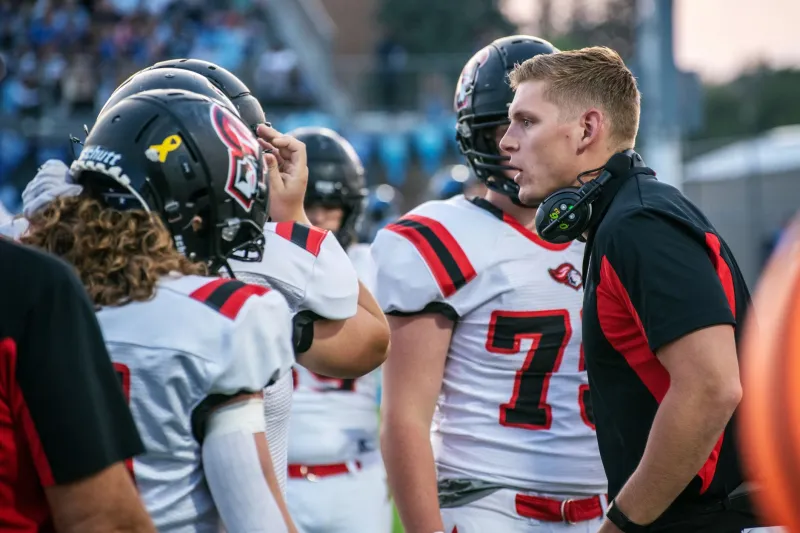
Let's be real: most athletes would rather grind through a brutal conditioning block than sit down and tell their coach something isn't working. We're wired to push through discomfort on the track, in the weight room, in the ring — but the second it involves an honest conversation with the person holding the clipboard? Suddenly everyone's an avoidance expert.
Here's the uncomfortable truth. The majority of athlete-coach conflicts that end in blown-up relationships, transfers, or quiet resentment? They didn't have to go that way. They escalated because someone — usually both someones — stayed quiet too long.
This is a guide to not doing that.
First: Figure Out What You're Actually Frustrated About
Before you say a single word to your coach, do yourself a favor and diagnose the real issue. This step gets skipped constantly, and it's why so many of these conversations go sideways before they even start.
Ask yourself: Is this a communication problem or a compatibility problem? Those are very different things with very different solutions.
A communication problem looks like: you feel like your coach doesn't understand your goals, you're not sure why certain decisions are being made, you feel unseen or unheard, you're assuming things about their intentions that you've never actually confirmed.
A compatibility problem looks like: your training philosophy is fundamentally opposed to theirs, your values around athlete treatment are misaligned, or you've had multiple honest conversations and nothing has changed.
Ninety percent of athlete frustration lives in the first category. Be honest with yourself about which one you're actually dealing with before you escalate.
What You're Probably Not Saying (But Should Be)
Here's a short list of things athletes carry around for months without ever voicing:
- I don't understand why we're doing this.
- I feel like I'm being overlooked.
- I'm not recovering well and I'm afraid to say so.
- I disagree with this approach and I don't know how to bring it up.
- I need more feedback — or less — than I'm getting.
None of these are accusations. None of them are attacks. They're just information — and your coach cannot work with information they don't have.
Coaches are not mind readers. The best ones in the country will tell you the same thing: they'd rather hear the hard thing early than discover the resentment late.
How to Actually Have the Conversation
Ask for time, not a confrontation. "Hey, can we find 10 minutes to talk this week? I want to share some things about where I'm at" is a completely different energy than pulling someone aside right after a bad practice. Set the conditions for the conversation to go well.
Lead with curiosity before criticism. Instead of "I feel like you don't care about my development," try "Can you help me understand how you're thinking about my role right now? I want to make sure I'm aligned with your vision." You get the same information. You don't start the conversation with a wall up.
Be specific, not emotional. Vague complaints land as drama. Specific observations land as data. "I've felt disconnected from the game plan the last three weeks" gives your coach something to respond to. "I feel like you don't respect me" gives them something to defend against.
Say what you need, not just what's wrong. There's a big difference between venting and problem-solving. If you come in with a problem and no sense of what would help, the conversation will circle. Think ahead: What does a better situation actually look like? Ask for that.
What Not to Say
Skip the comparisons. "You give so-and-so more attention" might be true, but leading with it makes the conversation about someone else. Keep it about you and your experience.
Don't bring up a laundry list. Pick the one or two things that matter most. If you show up with six months of grievances, you're going to overwhelm the conversation and make it feel like an ambush.
Avoid ultimatums unless you mean them. "If this doesn't change, I'm gone" is a serious statement. Only say it if you're actually prepared to follow through — and only after you've genuinely tried everything else.
How to Know If You're Being Heard
A coach who's actually engaged with your feedback will ask clarifying questions. They'll acknowledge what you said before jumping to solutions. They might not agree with everything — and they don't have to — but they'll demonstrate that they received it.
If you walk out of the conversation feeling like you just talked at a wall, give it a week and watch for changes in behavior. Words are one thing. Actions are the actual answer.
If nothing shifts after multiple honest attempts? Then you're no longer dealing with a communication problem. And that's a different article.
The Relationship Is Worth Fighting For — Until It Isn't
A great coach-athlete relationship is one of the most powerful forces in sport. It's also one of the most fragile — not because the people involved are weak, but because both sides are deeply invested and neither side communicates perfectly under pressure.
Most of the time, the relationship isn't broken. It's just waiting on one person to be brave enough to start the conversation.
Be that person.