The Recovery Clock Is Already Running: What You Do in the 72 Hours After a Hard Training Session

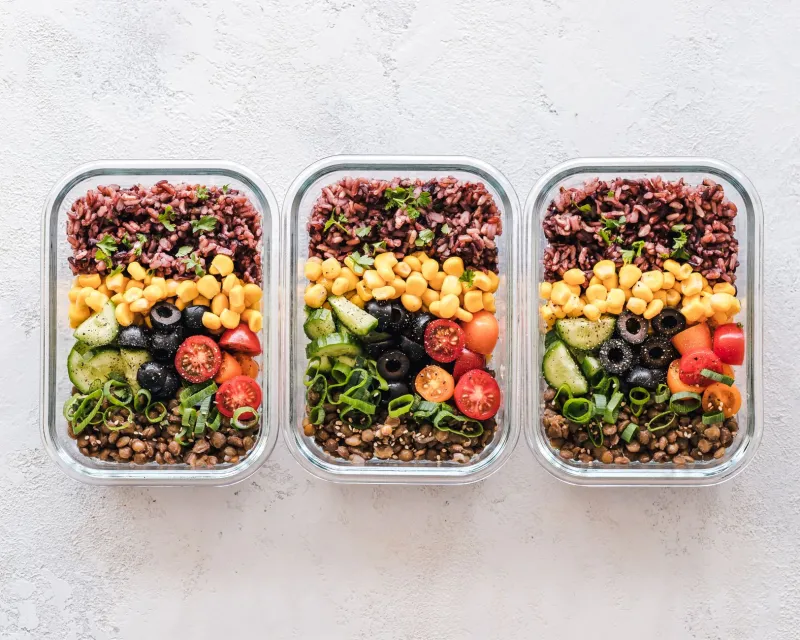
Photo by Photo by Dmitriy Tyukov on Unsplash on Unsplash
There's a version of athlete culture that worships the grind — the early alarm, the brutal set, the chalk-dusted hands, the empty tank at the end of a session. And look, that stuff matters. Showing up and working hard is non-negotiable.
But here's the part that doesn't get nearly enough shine: the moment you walk out of the gym, off the track, or out of the pool, a completely different process takes over. Your body starts rebuilding. And whether that rebuild turns into actual progress — or just gets you back to baseline in time for your next session — depends almost entirely on what you do in the 72 hours that follow.
This isn't about going soft. This is about being smart enough to actually collect on the investment you just made.
Why 72 Hours? Understanding the Adaptation Timeline
When you train hard, you're not building fitness in the moment — you're breaking your body down in a very specific, controlled way. Muscle fibers develop micro-tears. Your nervous system takes a hit. Glycogen stores get depleted. Inflammatory markers spike.
All of that is supposed to happen. It's the stimulus. But the adaptation — the part where you actually get stronger, faster, or more resilient — happens during recovery. And that process doesn't wrap up in a few hours. Research consistently shows that full neuromuscular recovery from a high-intensity session can take anywhere from 48 to 96 hours, depending on the volume, intensity, and the individual athlete's training age and recovery capacity.
Three days. That's your window. And most athletes are leaving a huge portion of their potential gains on the table by treating that window like it doesn't exist.
Night One: Sleep Is Your Secret Weapon
The most powerful recovery tool you have access to is free, requires zero equipment, and most American athletes are chronically bad at using it. Sleep.
Not just any sleep — the right kind. Here's what the science is telling us: the bulk of muscle protein synthesis and growth hormone release happens during slow-wave (deep) sleep, which is front-loaded in your sleep cycle. That means your first four to five hours of sleep on the night after a hard training session are doing the heaviest lifting, physiologically speaking.
So what kills that? Late-night screen time, alcohol (even one or two drinks meaningfully suppress deep sleep quality), caffeine consumed after 2 PM, and high stress levels — all common features of a busy American adult's evening.
Practical moves that actually help:
- Drop your room temperature to somewhere between 65 and 68°F. Your core temperature needs to fall slightly to enter deep sleep, and a cool room accelerates that.
- Get off your phone 30 to 45 minutes before bed. The blue light suppression of melatonin is real and it's measurable.
- Eat a small protein-rich snack before bed — around 30 to 40 grams of casein or whole food protein. Multiple studies have shown this extends muscle protein synthesis through the overnight fasting period.
Aim for at least eight hours on night one. Nine is better. Your ego can handle it.
The Nutrition Window: It's Longer Than You Think
For years, sports nutrition culture was obsessed with the 30-minute post-workout window — the idea that you had to get protein and carbs in immediately or your gains would evaporate. That framing was a bit overblown, but it wasn't entirely wrong either.
Here's a more accurate picture: the anabolic window is real, but it's wider than a half hour. Research suggests elevated muscle protein synthesis persists for up to 24 to 48 hours after intense resistance training. That means your nutrition choices across the entire first two days matter, not just the shake you chug in the locker room.
Day one priorities:
- Hit your protein target consistently throughout the day — not just in one meal. Spreading 25 to 40 grams across four to five meals or snacks keeps muscle protein synthesis elevated more effectively than front-loading it.
- Prioritize carbohydrate replenishment, especially if your training was high-volume or glycolytic (think: intense conditioning, long runs, circuit training). Your muscles are primed to absorb carbohydrates for replenishment in the hours post-training.
- Hydrate aggressively. Even mild dehydration blunts recovery. A good rule of thumb: your urine should be pale yellow by midday.
Day two:
- Anti-inflammatory foods earn their keep here. Things like fatty fish, tart cherry juice, blueberries, and leafy greens have legitimate research support for reducing exercise-induced inflammation and speeding up recovery.
- Don't slash calories. This is a common mistake, especially for athletes managing body composition. Cutting calories too aggressively in the 48 hours after hard training sends your body into a catabolic state and undermines the adaptation you just worked to trigger.
Active Recovery: Moving Without Destroying
Complete rest on day two isn't always the answer. Low-intensity movement — think a 20-minute walk, easy cycling, light yoga, or swimming at a conversational pace — has consistently shown benefits for clearing metabolic waste products from muscle tissue, reducing delayed onset muscle soreness (DOMS), and maintaining blood flow to recovering tissue.
The key word is low-intensity. Heart rate should stay below 60 to 65% of your max. If you're breathing hard, you've crossed the line from recovery into additional training stimulus, and your body will respond accordingly.
Foam rolling and light stretching during this window can also help with perceived soreness and range of motion maintenance — not because they're dramatically accelerating repair at the cellular level, but because they reduce the neurological tension that tightens up around sore muscles, which makes the next hard session feel better.
Stress Is Stealing Your Gains
This part doesn't get talked about enough in training circles. Cortisol — your primary stress hormone — is catabolic. In the right doses, at the right times, it's a normal and useful part of your physiology. But chronic elevated cortisol in the 72 hours post-training actively competes with the anabolic hormones trying to rebuild your tissue.
And here's the uncomfortable reality: work stress, relationship stress, financial stress, poor sleep, and doomscrolling all spike cortisol. Your nervous system doesn't distinguish between a hard conversation with your boss and a hard training session. It all goes into the same bucket.
This doesn't mean you need to eliminate stress from your life — that's not realistic. But managing your stress load consciously in the days after hard training is a legitimate performance strategy. That might mean protecting your sleep, avoiding unnecessarily stressful situations when you can, or building in ten minutes of breathwork or meditation — practices with solid evidence behind them for lowering cortisol and improving recovery quality.
The 72-Hour Mindset Shift
Here's what it comes down to: the training session is the question. The 72 hours that follow are the answer.
Every athlete who has ever broken through a plateau, come back stronger from a hard week, or sustained high-level performance over a long season did it because they figured out how to take recovery as seriously as the work itself. Not instead of the work — alongside it.
That's the Fight Like Ana mentality in its fullest form. You don't just show up and destroy yourself and call it done. You show up, you do the work, and then you do the less glamorous, less Instagram-worthy work of actually letting your body become what you're asking it to become.
The clock started the second you finished. Use the window.