They Had Zero Athletic Background. Then Everything Changed.
Not everyone grows up with a coach in their corner or cleats on their feet. Most people don't. The majority of Americans who eventually discover a love for sport, fitness, and competition come to it late — sometimes very late — and with no roadmap whatsoever.
What they have instead is a decision. A single moment where something shifts and they think, what if I actually tried?
These are five of those stories. Different people, different starting points, different sports — but a shared thread of grit that turned ordinary lives into something worth cheering for.
1. The Accountant Who Ran Boston at 47
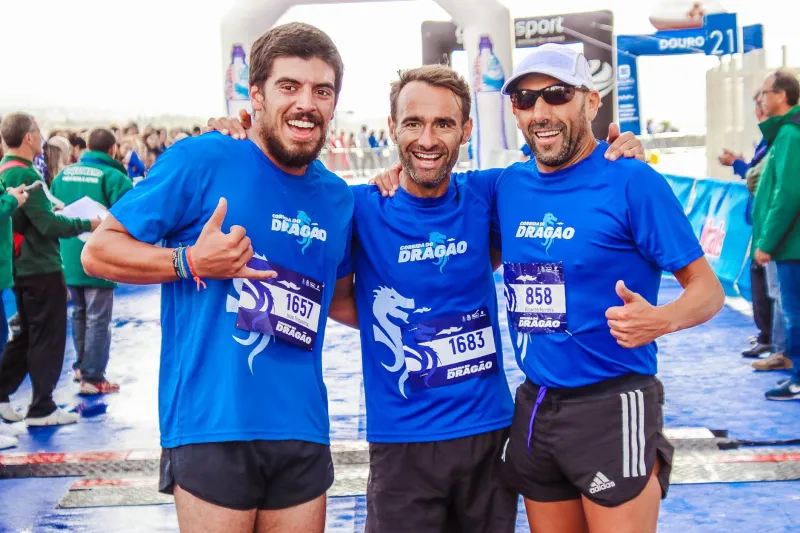
Mark had spent the better part of two decades behind a desk in suburban Ohio. His most athletic activity, by his own admission, was walking to the parking garage. At 44, his doctor handed him a pre-diabetic diagnosis and a referral to a nutritionist. He walked out of that appointment and downloaded a Couch to 5K app on his phone.
He didn't tell anyone. He ran in the dark, at 5 a.m., because he was embarrassed.
Three years later, he crossed the finish line at the Boston Marathon — qualifying time and all.
"I wasn't trying to become a runner," he said in a local news interview. "I was just trying to not die early. And then somewhere around mile eight of my first half-marathon, something clicked and I realized I actually wanted this."
The mindset shift: He stopped framing exercise as punishment for a bad diagnosis and started seeing it as proof that he wasn't done yet.
2. The Mom Who Found CrossFit After 50
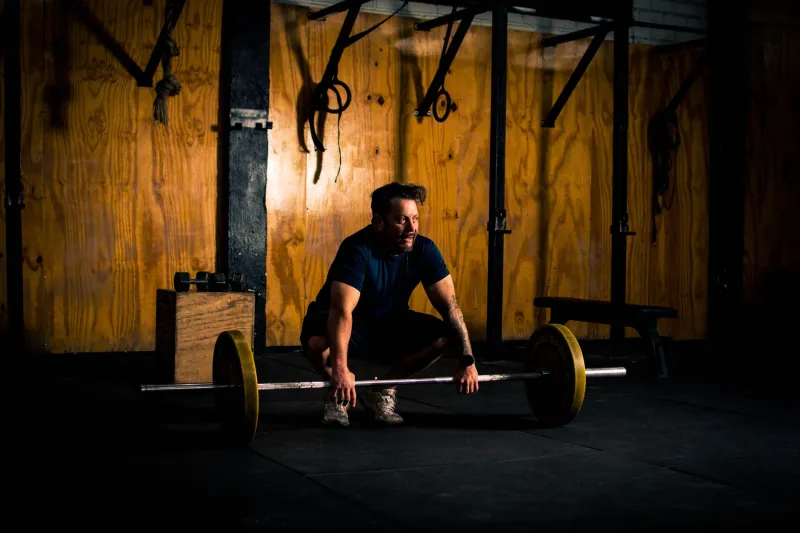
Lorraine raised three kids in Atlanta, worked full-time as a school administrator, and had never set foot in a weight room in her life. At 51, her youngest left for college and she found herself with time she didn't know how to fill.
A coworker dragged her to a CrossFit class as a joke. Lorraine didn't find it funny. She found it humbling, exhausting, and — unexpectedly — addictive.
Within eighteen months, she competed in her first CrossFit Open. She didn't place anywhere near the top. She didn't care.
"I cleaned and jerked 95 pounds," she laughs. "Fifty-one-year-old me, who used to get winded on stairs. That's not nothing."
The challenge she overcame: Feeling like the oldest, slowest person in the room every single day — and showing up anyway. She credits the community aspect of CrossFit for keeping her accountable when motivation ran dry.
The mindset shift: She stopped competing with the 25-year-olds around her and started competing exclusively with who she was the week before.
3. The Veteran Who Rebuilt Himself Through Triathlon
After two deployments and a medical discharge, James returned to civilian life in Phoenix carrying injuries — physical and otherwise — that made most days feel like an uphill battle. He'd never been a distance athlete. In the military, fitness was mandatory and functional. Running for fun was not part of his vocabulary.
A fellow veteran introduced him to a triathlon training group specifically for service members in transition. James showed up once, mostly out of politeness. He came back the next week. And the week after that.
Thirteen months after his first open-water swim — which, he'll tell you, was a disaster — he completed a 70.3 Ironman in Tempe, Arizona.
"The structure saved me," he said. "Training gave me a mission again. It gave me something to report to."
The challenge he overcame: A knee injury that required him to rebuild his run from scratch twice, and the psychological weight of feeling like his best athletic years were behind him before they'd even started.
The mindset shift: He reframed the triathlon not as a race but as a daily practice — something he did for his mental health as much as his physical health. The finish line was almost secondary.
4. The Teacher Who Became a Powerlifter at 38
Sarah taught seventh-grade English in rural Tennessee and had spent most of her adult life avoiding gyms entirely. She describes herself as someone who was "always picked last" and had internalized that identity so completely that she genuinely believed she wasn't built for sport.
A friend bet her twenty dollars she couldn't deadlift her own bodyweight within three months. She took the bet purely out of stubbornness.
She pulled it in six weeks. Then she started chasing more weight.
At 40, she competed in her first USAPL powerlifting meet and totaled more than she ever imagined possible. She now coaches a beginner lifting class at her local gym on weekends.
"I was so convinced that being athletic was something that happened to other people," she said. "It took a stupid twenty-dollar bet for me to realize the only thing stopping me was me."
The challenge she overcame: Severe gym anxiety and imposter syndrome that made every early training session feel like walking into enemy territory. She trained at off-peak hours for the first four months before she felt comfortable enough to lift when others were around.
The mindset shift: She stopped asking permission — from herself or anyone else — to take up space in the weight room.
5. The Retiree Who Discovered Open Water Swimming at 62
After retiring from a career in logistics in Seattle, Carol needed something to fill her days that wasn't television. She'd swum recreationally as a kid but hadn't been in a pool seriously since her twenties. She signed up for a masters swim program at a local aquatic center mostly to get out of the house.
Two years later, she completed the Alcatraz Challenge — a 1.5-mile open water swim from Alcatraz Island to the San Francisco shore.
"People think you have to be young to do hard things," she said. "That's just not true. You have to be willing."
The challenge she overcame: Cold water acclimatization, a real fear of open water that she worked through with a coach over several months, and the logistical challenge of training seriously on a fixed income.
The mindset shift: She stopped thinking of age as a ceiling and started treating it as context — not a reason to aim lower, but a reason to appreciate the effort more.
What All Five Stories Have in Common
None of these people had a natural gift. None of them had a head start. What they had was a reason — sometimes a health scare, sometimes a bet, sometimes just boredom — and the willingness to feel uncomfortable long enough for something to change.
That's the whole secret. Not a perfect program or an optimal diet or the right gear. Just the decision to show up before you feel ready, and to keep showing up after the novelty wears off.
You don't need to have been an athlete your whole life to become one now. You just need to start.
Fight Like Ana isn't about where you came from. It's about what you're willing to become.